
The Pesukarhu Material: Engineered Circularity.
100% recovered industrial cotton, structured to replace fossil-derived synthetic foams across domestic surfaces and enterprise supply chains.
A closer look at the architecture.
Transforming industrial textile byproducts into a high-performance, EU food-contact certified utility material.
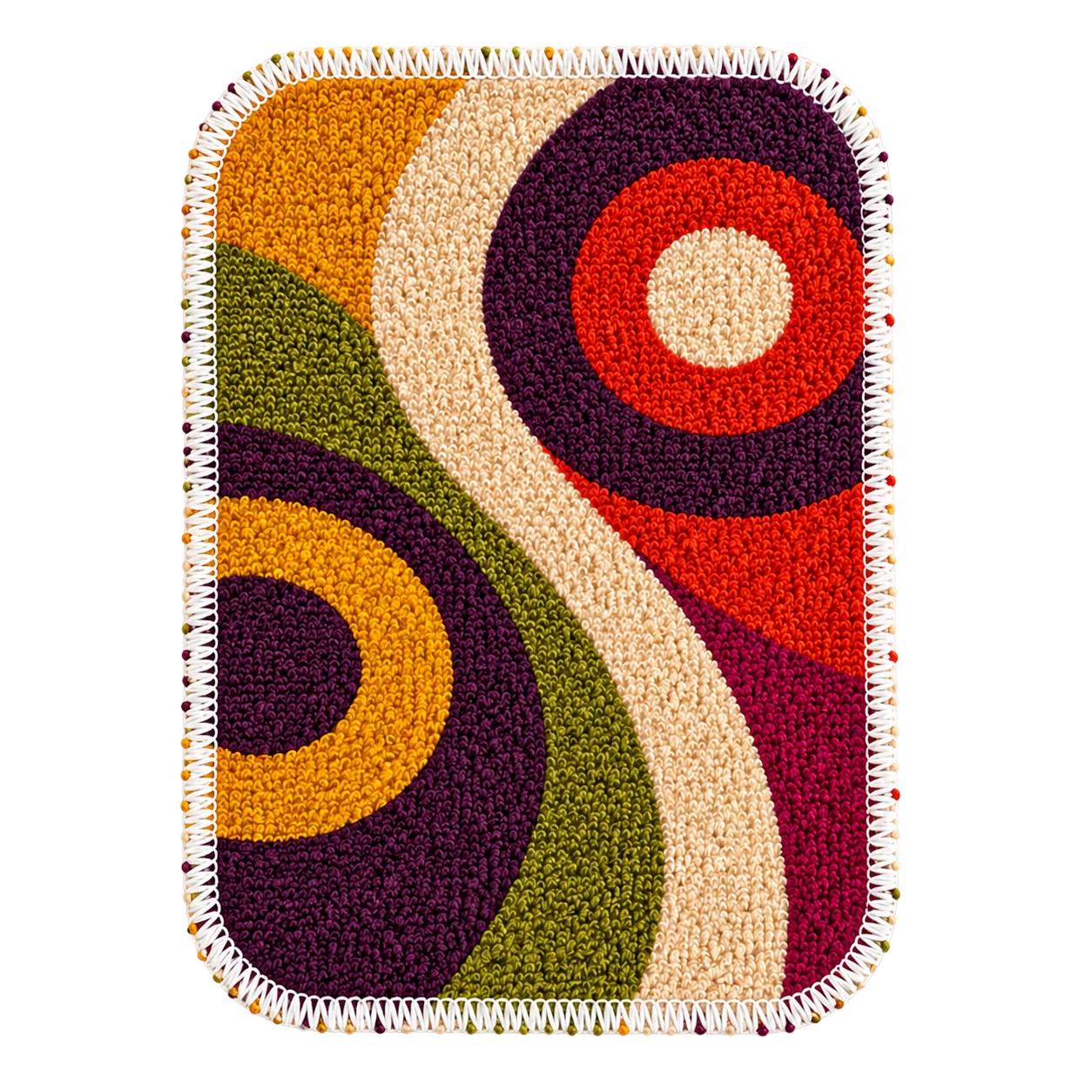
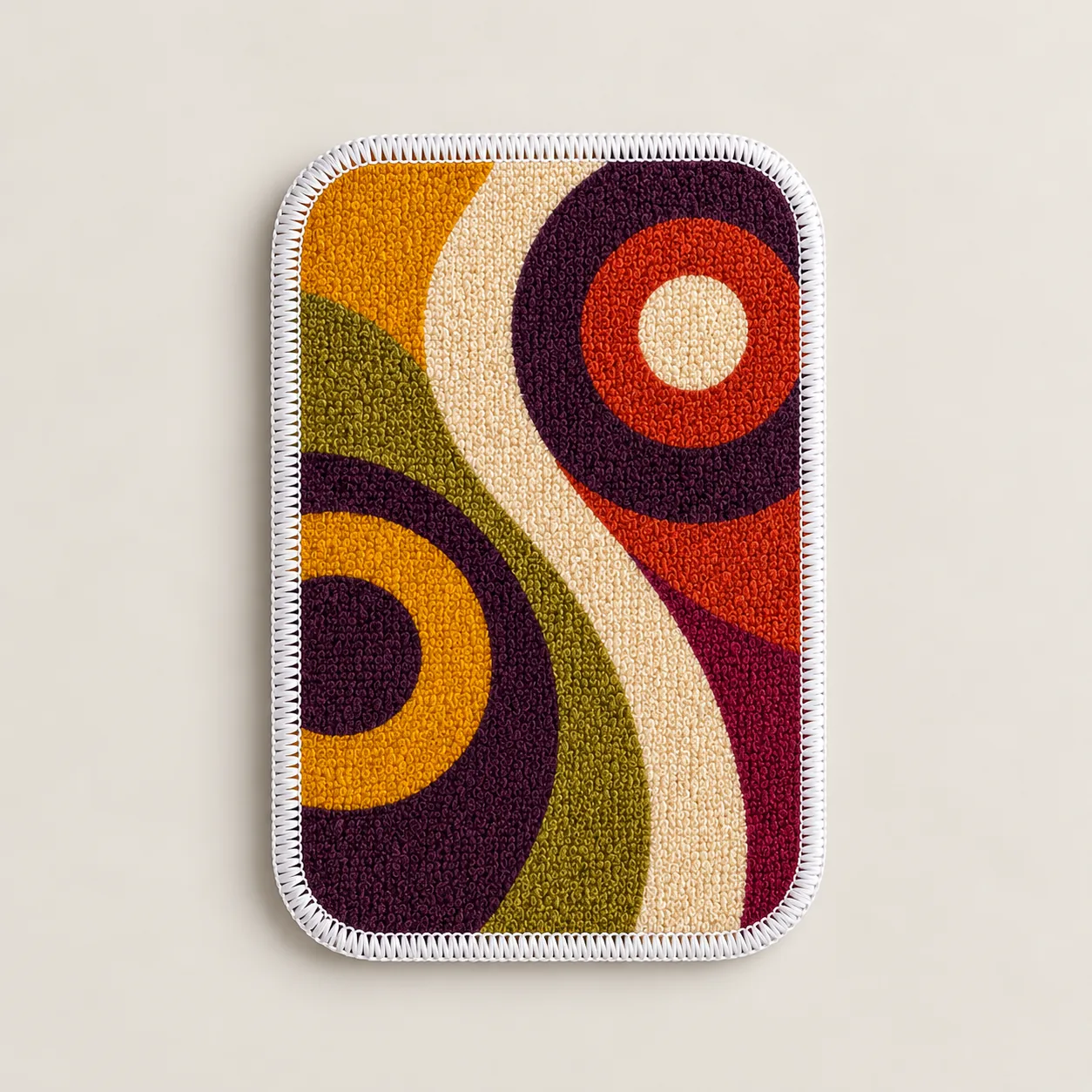
- recovered cotton fibre
- 98%
- natural plant resin
- <1%
EU food-contact certified
Composition & process
The fibre base is entirely recovered cotton. By weight, the finished material is 98% cotton fibre from cotton-processing side streams, strengthened with less than 1% natural resin. Controlled automated spraying supports even resin application. The resin contains no formaldehyde.
The material is certified for food-contact use in the EU. For a specific product or industrial application, contact us about the relevant documentation and scope.
01Recover the fibre
We intercept short-staple cotton fibers discarded during industrial textile milling—materials traditionally deemed too weak for conventional spinning.
02Form the loops
The fibers are woven into a proprietary, high-density, twisted-loop geometry engineered for maximum friction.
03Strengthen the structure
A trace reinforcement of natural plant resin stabilizes the loops, allowing them to hold their shape under intense, repetitive scrubbing.
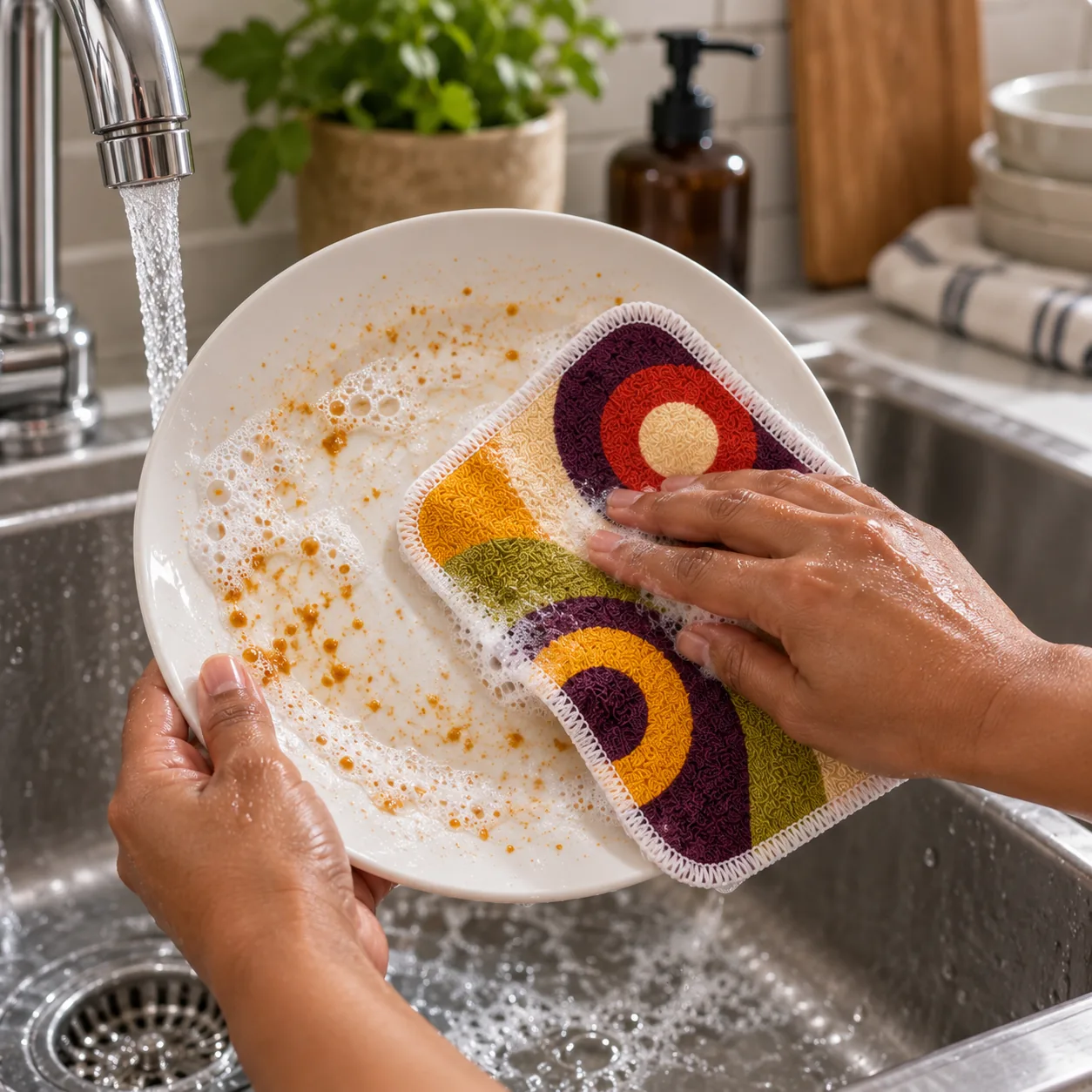
Mechanical shear vs. Mineral abrasion.
Stone & tile
Stainless steel
Ceramics
Glass
Plastics
Skin
Conventional heavy-duty synthetic scourers rely on laminated non-woven webs embedded with quartz or corundum particles. These minerals possess a high Mohs hardness rating, which inevitably induces micro-grooving and permanent damage to fluoropolymer (PTFE) non-stick coatings, vitroceramic glass, and polished metals.
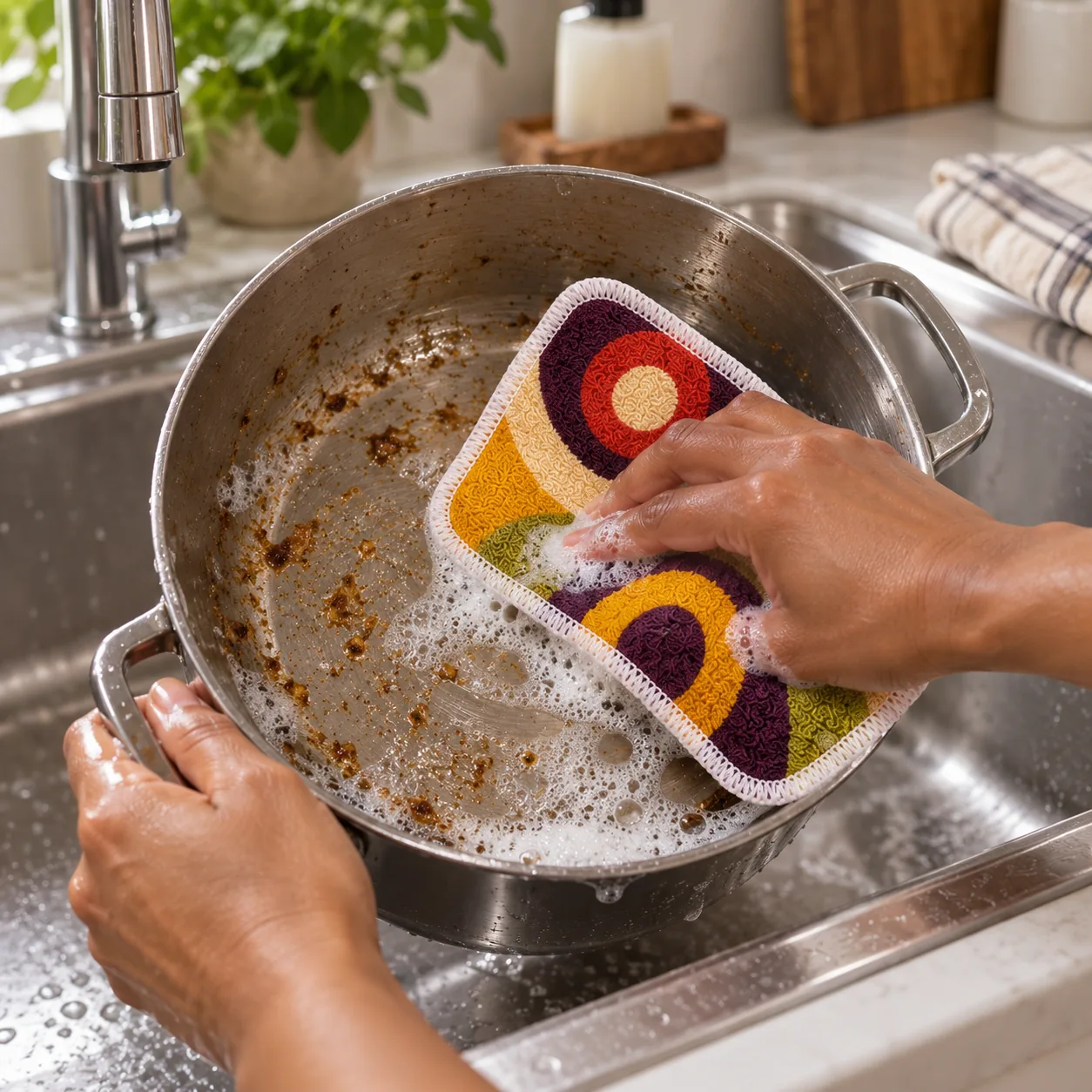
Pesukarhu bypasses mineral abrasion entirely. Natural cotton cellulose exhibits a Mohs hardness of 1.0 to 1.5, making it completely non-abrasive to high-end industrial and culinary finishes. We achieve extreme cleaning efficacy through our high-density loop geometry, which creates localized surface shear—hooking and lifting polymerized grease and carbonized residues without peeling the underlying protective coatings.
Biofilm elimination and thermal stability.
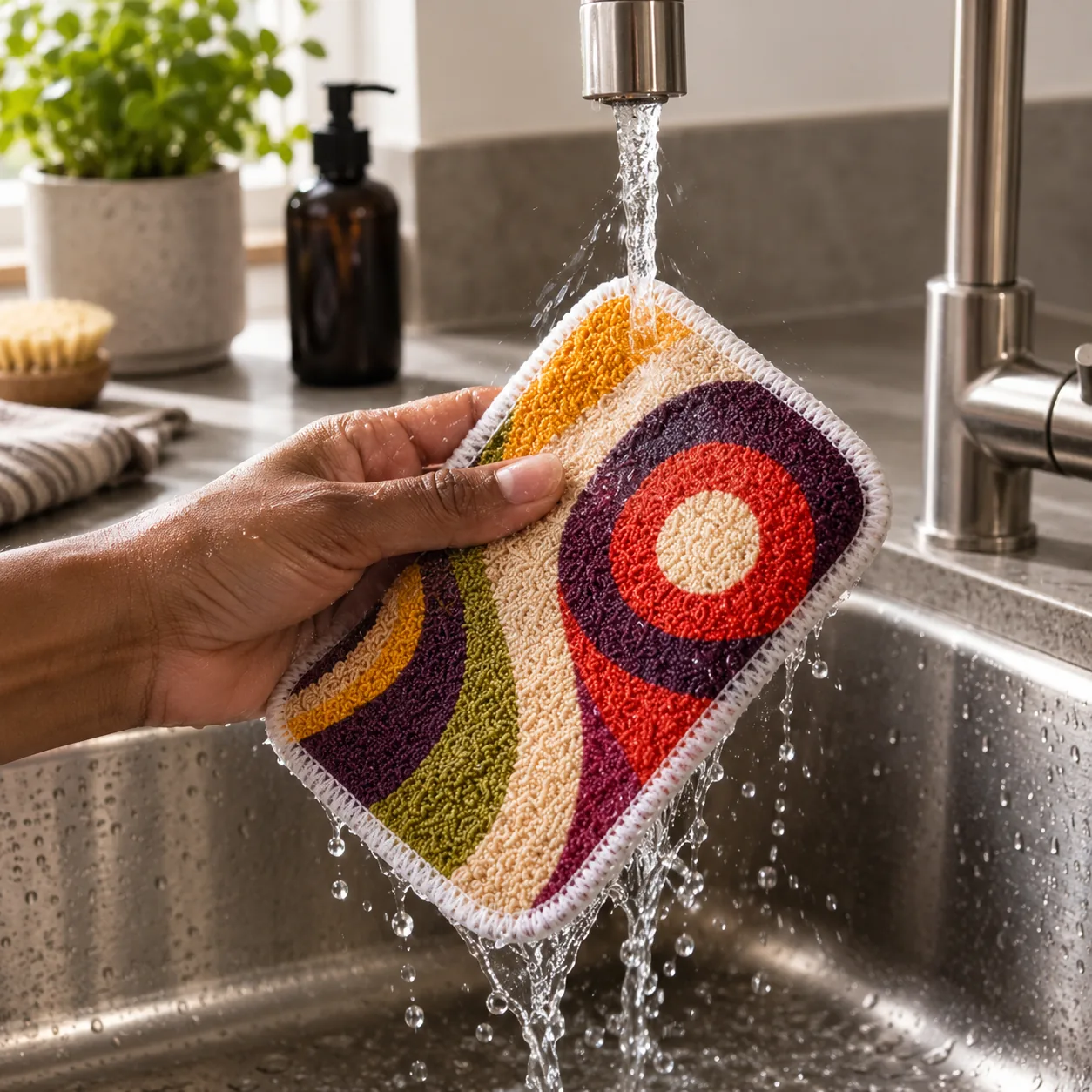
The primary failure mode of polyurethane foam sponges is the rapid incubation of odor-causing bacteria, notably Moraxella osloensis. The open-cell matrix of synthetic foam traps lipid emulsions and water, creating a persistent bacterial biofilm. These synthetic foams cannot be properly thermally sanitized, as their polymer backbone warps or melts at high temperatures.
Pesukarhu is woven for complete microbiological control. The high-density cotton textile is thermally stable up to 100°C. It is designed to be sanitized in a standard domestic dishwasher at 40°C to 60°C, a temperature threshold that safely flushes away trapped lipids and refreshes the fibers. Furthermore, the open-backed weave architecture ensures rapid moisture evaporation, denying bacterial colonies the prolonged damp environment required to multiply.
Ending the 4-gram domestic wastewater footprint.
University studies indicate that standard domestic dishwashing using polyurethane sponges releases between 0.68 and 4.21 grams of microplastics per person into residential wastewater streams annually. Melamine eraser foams fracture even faster, shedding millions of microplastic fibers per gram of eroded material directly into aquatic ecosystems.
Pesukarhu contains zero synthetic polymers. Any microscopic fiber released during heavy, daily scrubbing is pure cellulose. Rather than accumulating as persistent toxic waste in waterways or municipal sewage sludge, these natural fibers break down safely in the environment via natural enzymatic activity.
In our soil.
In our oceans.
For those after us.
Different materials, different endings.
Compare the end-of-life impact of common cleaning materials.
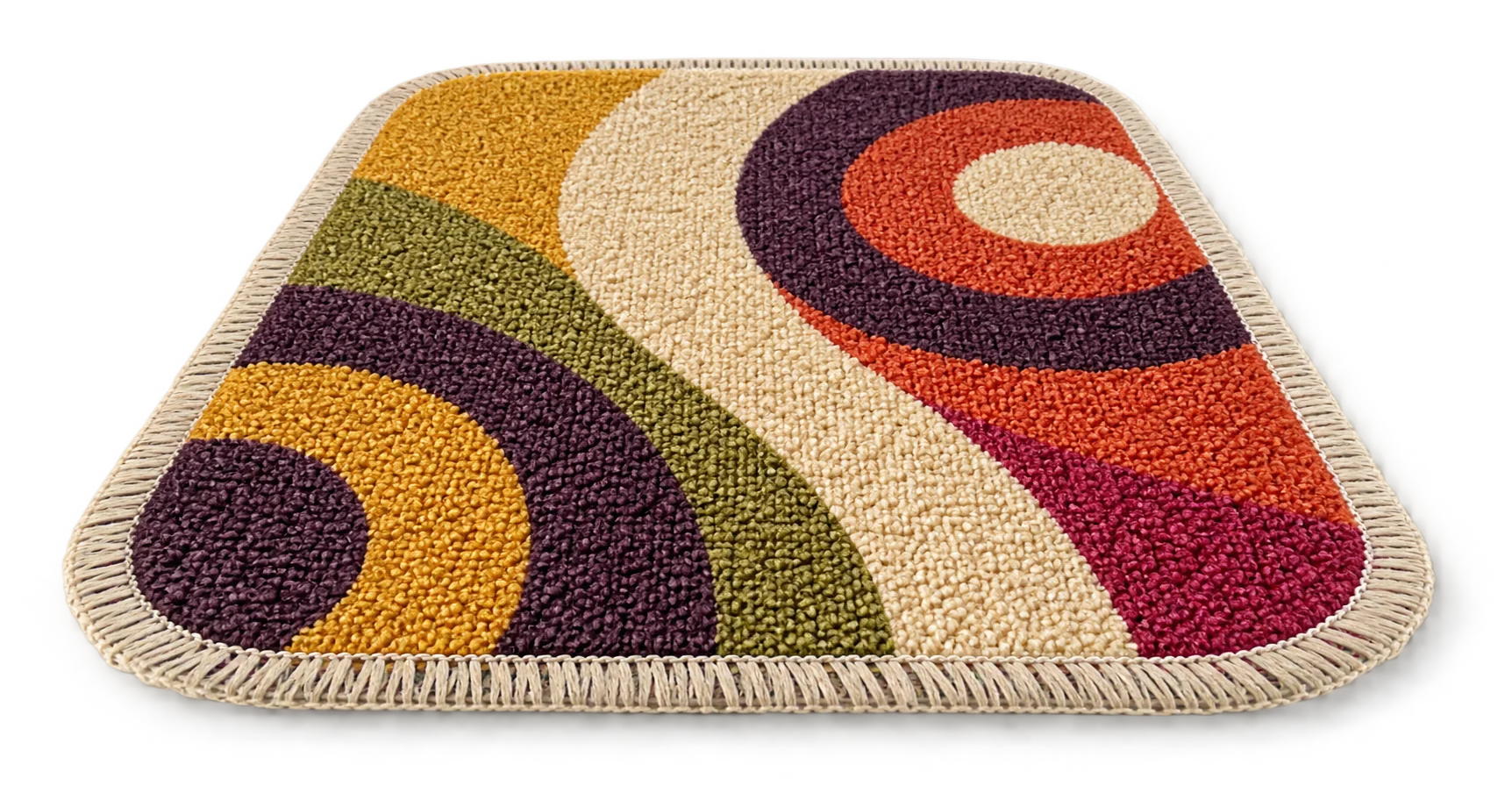
Pesukarhu
Upcycled cotton fibre
6–8 months
In heavily composting soil
Targeted by naturally occurring fungal and bacterial cellulase enzymes and assimilated into organic soil.
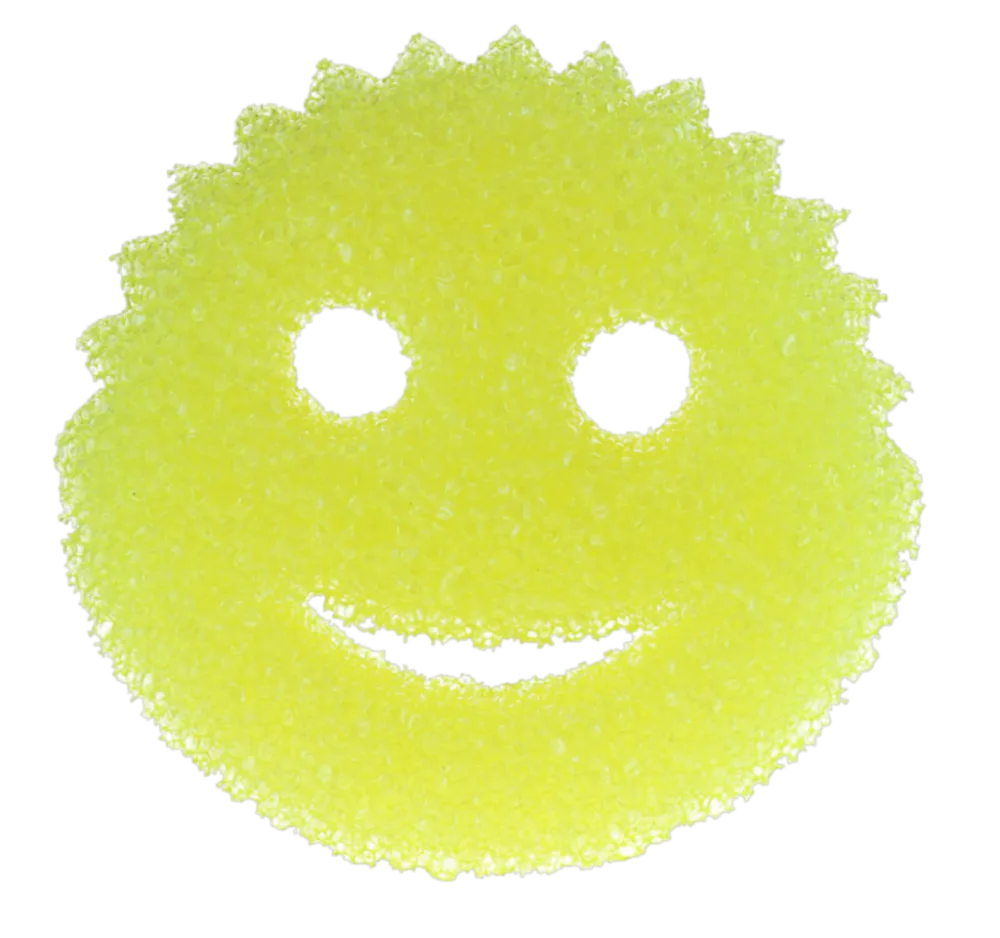
Scrub Daddy
FlexTexture polymer foam
No established end date
Product-specific breakdown times not verified. Plastic can fragment into microplastics and persist indefinitely.
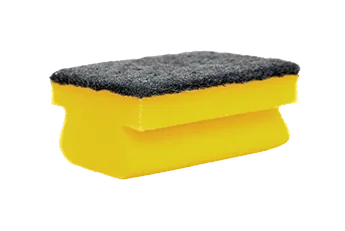
Synthetic kitchen sponge
Plastic foam & scouring layer
No established end date
Product-specific breakdown times not verified. Plastic can fragment into microplastics and persist indefinitely.
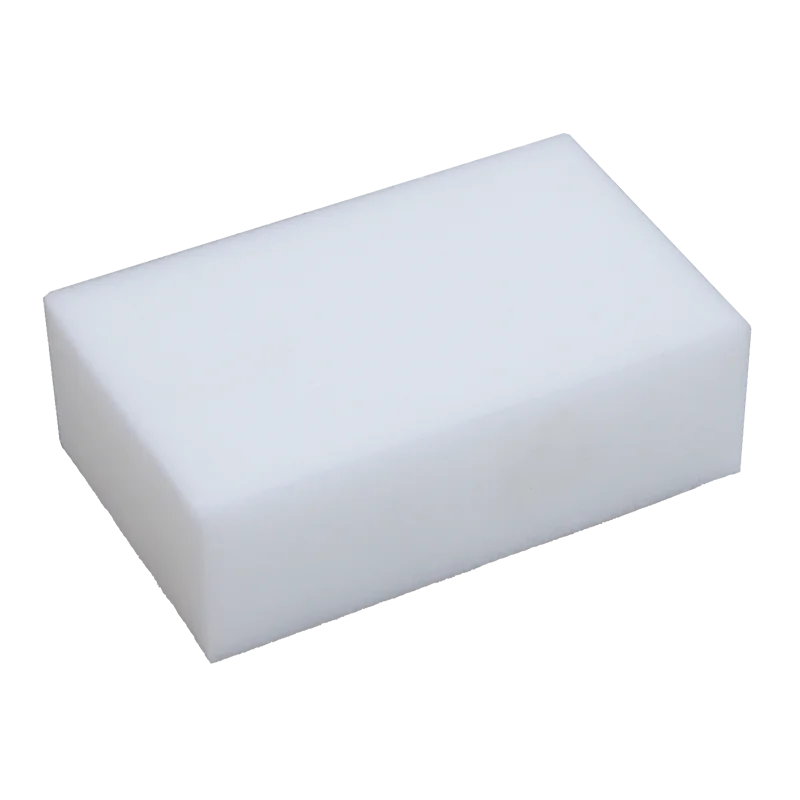
Melamine eraser sponge
Melamine resin foam
No established end date
Product-specific breakdown times not verified. Plastic can fragment into microplastics and persist indefinitely.
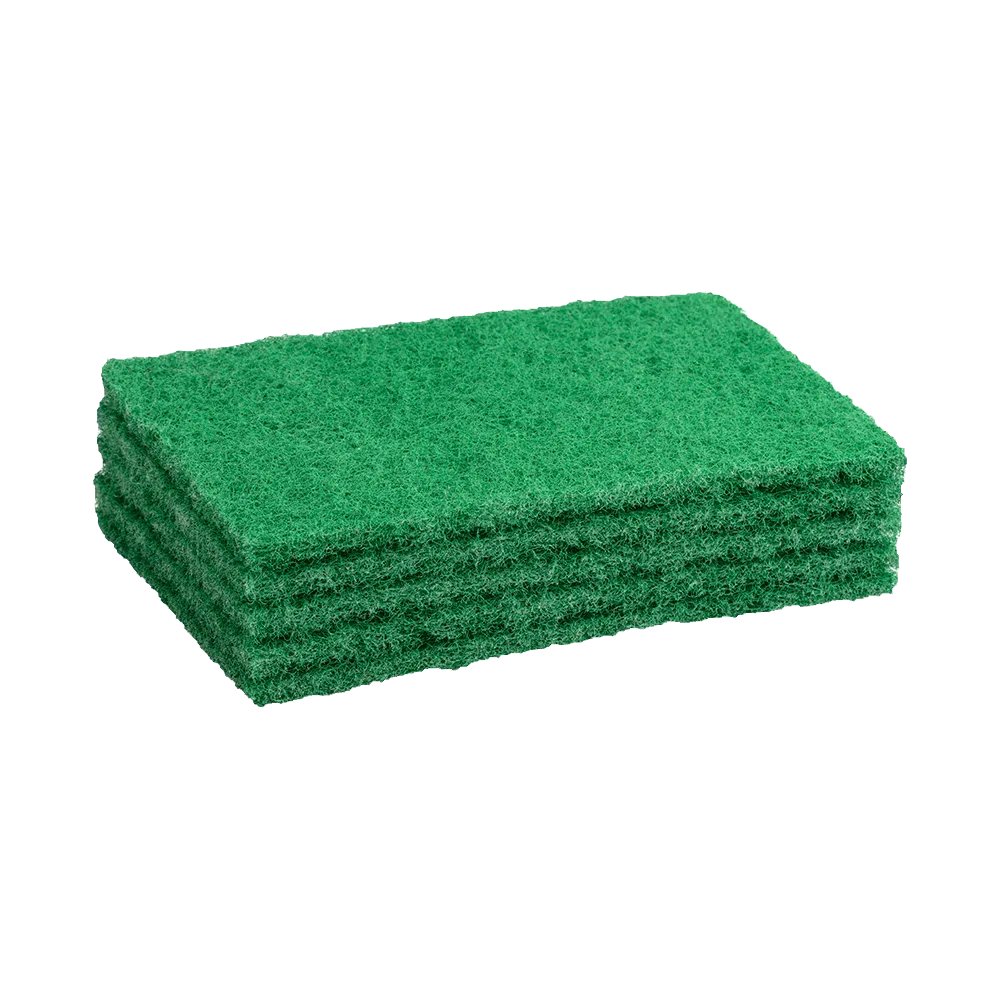
Non-woven scouring pad
Typically nylon, abrasives & resin
No established end date
Product-specific breakdown times not verified. Plastic can fragment into microplastics and persist indefinitely.
Open end: no verified breakdown date, not a claim of literal eternity.
Illustrative tracks, not a shared time scale or a same-condition test. The 6–8 months applies only to heavily composting soil. Plastic can fragment and persist; product-specific breakdown times are not established here.
Biodegradation & disposal
The material’s stated breakdown time is 6–8 months in heavily composting soil. This is not a promise for landfill, water or every home compost. Local acceptance varies; check before composting. Never leave it in nature.
Compare material types
| Material | Base | Care | Surface use |
|---|---|---|---|
| Pesukarhu | Waste cotton fibre | Dishwasher-safe up to 60°C | Choose firmness; test delicate finishes |
| Synthetic sponge | Synthetic foam or mesh | Follow product instructions | Depends on the sponge and scrub layer |
| Non-woven scouring pad | Typically nylon, abrasives and resin | Rinse after use; follow product instructions | Coarse grades can scratch delicate surfaces |
| Metal scourer | Metal strands or mesh | Follow product instructions | For tougher scouring; check surface guidance |
Calculate your true plastic footprint.
We believe in absolute transparency. Input your current sponge’s weight, lifespan, and plastic content to estimate the material reaching its assumed end of use.
Estimated material use
Pesukarhu
- Pieces at assumed end of use
- 1
- Plastic in that material (g)
- Not supplied
- Purchase cost
- €8.90
- Original dry material (g)
- Not supplied
At a glance
- Pieces used
- 1
- Packs purchased
- 1
- Unused pieces
- 2
- per week
- €0.37
Synthetic kitchen sponge
- Pieces at assumed end of use
- 24
- Plastic in that material (g)
- Not supplied
- Purchase cost
- €72.00
- Original dry material (g)
- Not supplied
At a glance
- Pieces used
- 24
- Packs purchased
- 24
- Unused pieces
- 0
- per week
- €3.00
Counts pieces whose assumed life ends by the final day of the period. Based on their original dry weight, not measured waste or shedding. Unused pieces are excluded. Cotton content alone does not establish a plastic-free product.
Material use, not measured microplastic release or a damage score. Actual pollution depends on shedding and disposal. Cleanup costs are not included.
About these figures
Prices and useful lives are examples, not performance promises. Whole packs are counted; unused pieces carry forward. Washing costs are excluded.
Pieces used = comparison period ÷ useful life, rounded up. Packs purchased = pieces used ÷ pack size, rounded up. Purchase cost = packs × pack price.